

.jpg)
Key Takeaways
- Blood glucose, blood pressure, and heart health are metabolically connected through shared vascular and inflammatory systems.
- Repeated glucose variability may place additional stress on blood vessels, especially alongside insulin resistance and other risk factors such as inactivity, excess abdominal weight, and elevated lipid levels.
- Consistent, balanced eating patterns support metabolic health and help maintain steadier glucose and cardiovascular markers over time.
that {{mid-cta}}
Blood glucose is often discussed in isolation, separate from heart and blood pressure health, as if they were unrelated body systems. In reality, glucose regulation is closely connected to cardiovascular function and plays a critical role in overall metabolic health.
One simple way to visualize this connection is to think about how the blood moves through the body. The heart pumps blood through a vast network of arteries, veins, and capillaries, transporting oxygen, nutrients (including glucose), and waste products throughout the body. Blood pressure (BP) is the force of that blood pushing against the walls of your arteries as your heart pumps your blood. When glucose dysregulation occurs, it can influence how these systems function over time.1
In this article, we will examine how glucose and insulin interact with cardiovascular function, why glucose variability matters for BP health, and how metabolic health links blood sugar, heart health, and BP. This article is for educational purposes only; it is designed to build understanding of how these systems connect, not to diagnose or prescribe treatment.
Why Glucose Patterns Matter Beyond Diabetes
Many people understand that well-controlled blood glucose levels are key to preventing and managing type 2 diabetes, and that diet and lifestyle changes can help the body become more efficient at carbohydrate metabolism.2
What is sometimes less known is the clear connection between type 2 diabetes and an increased risk of heart disease, stroke, and other cardiovascular conditions, particularly when blood glucose is not well managed.3,4
Both the American Diabetes Association (ADA) and the American Heart Association (AHA) recognize this connection and note that people with diabetes have twice the risk of heart disease, including coronary artery disease (plaque buildup in arteries) and high blood pressure.3,4
High blood pressure commonly coexists with type 2 diabetes, affecting up to 50 to 80% of individuals and increasing the risk of stroke. The longer you have diabetes, the higher your risk of developing heart disease. It’s unclear whether heart disease or diabetes develops first, but it is clear that they often occur together, highlighting the importance of monitoring both.3,4
A Quick Refresher: Glucose, Insulin, and Metabolic Health
.png)
After you eat or drink foods with carbohydrates, the digestive system breaks carbohydrates into glucose (or sugar) and then releases the glucose into the blood.
Next, insulin is released from the pancreas in response to increased blood sugar levels. Its role is to enable your cells to take up glucose from the blood for energy and to lower your blood sugar level appropriately. Blood sugar levels fluctuate within a healthy range throughout the day.
When eating consistent, balanced meals with protein, high-fiber carbohydrates, and healthy fats, your blood glucose levels rise and fall more slowly. When you eat a larger portion of carbohydrates or lack protein, fiber, and fat, or have medical conditions where you don’t metabolize carbohydrates properly, blood glucose levels can spike and stay elevated for longer.
In type 2 diabetes, carbohydrate breakdown is altered, and the body often doesn’t produce enough insulin or respond to it properly (insulin resistance), leading to elevated blood sugar levels.6
Glucose is one marker of your metabolic health, but not the whole picture. Metabolic health reflects how well your entire body is working, including glucose metabolism, lipid balance, BP levels, inflammation, and vascular health. Metabolic syndrome is a condition characterized by multiple coexisting conditions that strain multiple body systems. Some examples include abdominal obesity, high triglycerides, high blood pressure, and high blood sugar levels.7
Optimal metabolic health encompasses several body systems and monitoring their performance.
How Glucose and the Cardiovascular System Are Connected
Although not fully understood, chronic, elevated glucose levels impair the endothelium over time. The endothelium is a single, thin layer of cells lining all blood vessels. It helps regulate blood flow by controlling blood pressure, blood vessel permeability, clot formation, inflammation, and immune response.2
High blood glucose directly interacts with the endothelium, impairing vasodilation by increasing oxidative stress and inflammation. Excess glucose can also harm protective processes by binding to proteins and fats in the blood, including LDL cholesterol, further damaging the endothelium.2
If left unregulated, this damage can make blood vessels stiffer, less flexible, stressed, and unprotected, and more prone to plaque buildup and clot formation, making the heart work harder and increasing blood pressure.2
Research supports that elevated blood glucose in the presence of existing cardiovascular disease is a powerful predictor of complications. Even glucose levels below the diagnostic threshold for diabetes are associated with a higher risk of heart disease, highlighting the importance of monitoring glucose levels without diabetes.2
In simple terms, repeated exposure to high glucose levels can make blood vessels less flexible and more reactive, potentially affecting blood flow and pressure regulation.
Glucose Variability and Cardiovascular Stress
.jpeg)
A 2021 study followed 1,500 adults with type 2 diabetes for an average of 10 years to assess whether blood glucose variability was associated with future coronary heart disease (CHD) or arterial plaque. Higher variability in fasting blood sugar and HbA1c was linked to a 37 to 42% higher risk of CHD.7
Multiple studies suggest that greater glycemic variability (fluctuations in glucose) can trigger the production of reactive oxygen species (ROS, or oxidative stress) and cause blood vessel injury compared with steady glycemic levels.8
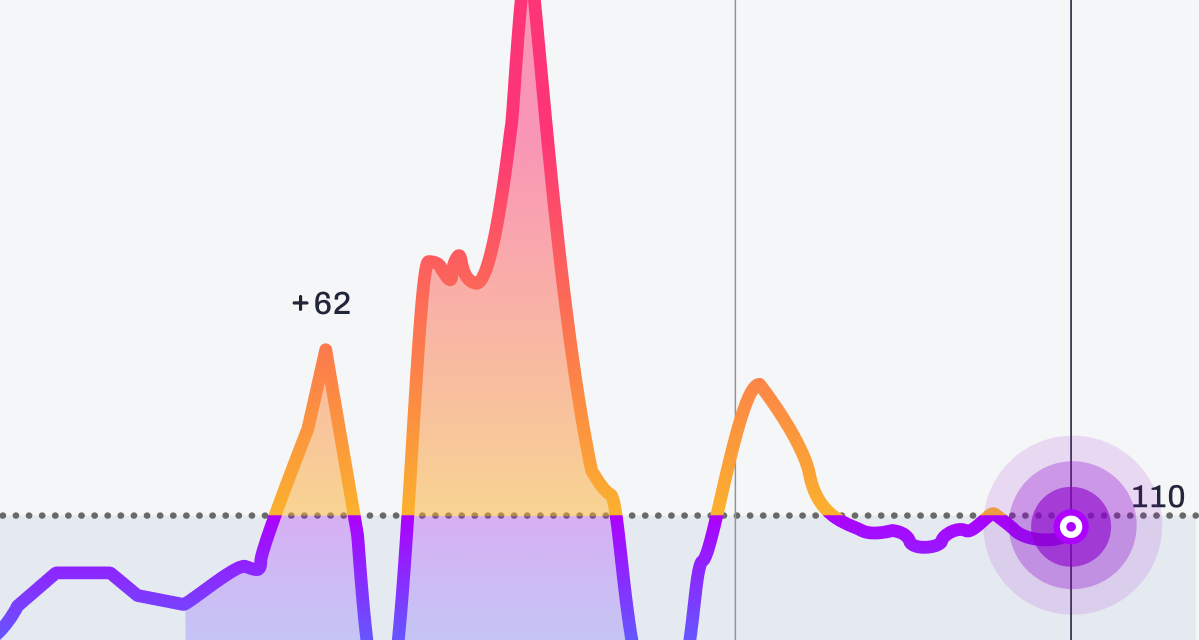
Glucose variability monitors your blood glucose over time and looks at patterns. Risk increases with long-term high glucose variability, not with occasional spikes.
The Role of Inflammation and Oxidative Stress
Acute, or short-term, inflammation is a normal, protective response that helps you recover and return to baseline during illness or injury.9
Inflammation can become chronic (long-term), with the whole body inflamed for months or longer. This low-grade inflammatory state prevents your body from resting and increases your risk of developing or worsening existing health conditions.9
Glucose swings act as a metabolic stressor, contributing to this low-grade, chronic inflammation. Research has shown that increased oxidative molecules (inflammatory) are produced in and around blood vessel walls with greater glycemic variability, leading to a stressed vascular system and plaque buildup.8,10
On the positive side, high adherence to anti-inflammatory diets like the Mediterranean diet is associated with a 19-23% lower risk of developing type 2 diabetes and a 38% lower risk of cardiovascular disease compared to those who don’t follow the diet. This research highlights the beneficial effect of nutrition and balanced eating.11,12
Insulin Resistance as a Common Thread
Insulin resistance and unregulated glucose levels go hand in hand and negatively impact heart health. With insulin resistance, the body’s cells no longer respond appropriately to insulin, making the pancreas make more insulin and/or leaving glucose elevated in the bloodstream.6,13
In a 2021 study (Jackson Heart Study) involving 1,064 participants, individuals with higher insulin resistance had a 25-35% greater risk of blood pressure progression and hypertension over 7 years. In this study, almost 70% of the participants progressed to a higher BP category, and 63% developed high BP.13
Why Metabolic Health Links Glucose, Heart Health, and BP
.jpeg)
Metabolic health reflects how well multiple systems function rather than a single number. Some tangible markers of metabolic health include blood sugar levels (fasting and overall), blood pressure, triglycerides, HDL cholesterol, body weight, waist circumference, hsCRP (a marker of inflammation), and a comprehensive metabolic panel.7,14
Each of these markers reflects a component of metabolic health, but they are also interconnected. As mentioned earlier, glucose circulates in the bloodstream and is delivered to cells for energy use with the help of insulin. When optimal, minimal strain is placed on the metabolic and vascular system.6,7,14
When glucose is elevated or varies widely, the metabolic system is placed under additional strain, and high glucose has been associated with vascular wall damage, leading to cardiovascular issues, inflammation, and increased blood pressure.
Ideally, metabolic health is viewed as a big-picture concept that connects blood sugar regulation, insulin sensitivity, cardiovascular function, and blood pressure. Understanding these connections can help you (and health professionals) think more holistically about how everyday eating, movement, and lifestyle habits can influence all of these systems over time.
What This Article Is Not Saying
Glucose spikes, especially when infrequent and overall glycemic control is maintained, do not automatically cause high blood pressure or heart disease. One meal or one spike doesn’t define health. Remember, that is a small snapshot of your day, week, month, and year.
Keep in mind that a CGM doesn’t diagnose heart disease or hypertension (high BP). A CGM may help you see trends and patterns in your glucose levels. Please work with healthcare professionals for medical concerns and further monitoring for heart health and BP.
Using Glucose Insights to Support Health Awareness
.png)
Understanding your own glucose patterns can be empowering and help you make lifestyle and diet changes to support your overall health and wellness. Use CGM insights, BP monitoring, and other heart-health data from your healthcare provider as feedback.
Tailor your diet to support both metabolic and cardiovascular health. Balanced anti-inflammatory meals with lean protein, high-fiber carbohydrates, and healthy fats can fuel your body with the nutrition it needs to maintain steady glucose levels and optimal heart markers. Eating consistent meals helps prevent dips and control cravings for added sugars and refined carbohydrates, which often spike blood sugar.
Learn more about how your personal responses to consistent eating, balanced meals, exercise, hydration, and stress management can help you fine-tune your metabolic and heart health.
The Bottom Line
Blood glucose, heart health, and blood pressure are interconnected through metabolic and vascular pathways, making glucose patterns a vital piece of cardiovascular awareness and health.
While glucose variability and insulin resistance don’t predict poor heart health or blood pressure issues alone, they can place added strain on blood vessels over time, especially when combined with other metabolic risk factors.
Focusing on consistent, balanced eating patterns and overall metabolic health through labwork monitoring, blood pressure checks, and the use of a CGM as a practical way to support both glucose stability and heart health.
Learn More With Signos’ Expert Advice
Signos offers science-backed tools to support overall wellness, helping you understand how your eating habits affect your glucose and metabolic markers. A CGM can help you monitor blood sugar patterns and improve your overall health.
Learn more about glucose levels and tracking on the Signos blog, written by health and nutrition experts.
FAQs
1. How does blood sugar affect heart health?
Blood sugar affects heart health by impacting vascular function, inflammation, and metabolic stress. Chronically elevated or highly variable glucose can strain blood vessels and increase cardiovascular risk over time.
2. How is insulin resistance linked to heart health?
Insulin resistance is linked to heart health because it promotes elevated glucose levels, inflammation, vascular damage, and metabolic stress, which, over time, can impair blood vessel function and increase the risk of heart disease.
3. Can metabolic health affect both blood sugar and BP?
Yes, metabolic health reflects how well various systems, including glucose regulation, insulin sensitivity, and vascular health, work together. Poor metabolic health can exhibit as irregular blood sugar patterns and poorly controlled BP.
4. Are glucose patterns more important than single readings?
Absolutely, glucose patterns over time matter more than single readings. Repeated highs, large spikes and dips, or prolonged periods of high glucose place more stress on the body than an occasional spike.
Topics discussed in this article:
References
- https://www.nhlbi.nih.gov/health/heart
- https://pmc.ncbi.nlm.nih.gov/articles/PMC9562876/
- https://diabetes.org/about-diabetes/complications/cardiovascular-disease
- https://pubmed.ncbi.nlm.nih.gov/34601960/
- https://nutritionsource.hsph.harvard.edu/carbohydrates/carbohydrates-and-blood-sugar/
- https://www.nhlbi.nih.gov/health/metabolic-syndrome
- https://pubmed.ncbi.nlm.nih.gov/34900821/
- https://pubmed.ncbi.nlm.nih.gov/25314300/
- https://pubmed.ncbi.nlm.nih.gov/34835952/
- https://pubmed.ncbi.nlm.nih.gov/19402896/
- https://pmc.ncbi.nlm.nih.gov/articles/PMC7468821/
- https://pmc.ncbi.nlm.nih.gov/articles/PMC6770579/
- https://pubmed.ncbi.nlm.nih.gov/34173799/
- https://www.nih.gov/news-events/nih-research-matters/obesity-metabolic-health

.svg)


.jpg)
.jpg)



.jpg)