
.jpg)
Key Takeaways
- Blood pressure naturally fluctuates, but frequent spikes place extra strain on the heart and blood vessels.
- Diet patterns, not individual foods, strongly influence blood pressure regulation, particularly with high-sodium diets, ultra-processed foods, and a lack of potassium- and nutrient-dense foods.
- DASH-style, nutrient-rich eating supports steadier blood pressure and overall metabolic health for all people.
that {{mid-cta}}
You may be aware that high blood pressure, also known as hypertension, can lead to health problems like kidney disease, heart attacks, heart failure, strokes, or vascular dementia.1
What you may not realize is that half of all American adults have high blood pressure, with many completely unaware. High blood pressure occurs when blood flows through your arteries at higher pressure (or when your heart and body require more force to pump your blood).1,2
Keep in mind that blood pressure changes throughout the day based on your activity level. For example, physical activity is healthy, but it can temporarily raise your blood pressure. During sleep or when at rest, blood pressure is often lower.1
To control or lower blood pressure variability and spikes, recommended heart-healthy lifestyles include the following:
- Heart-healthy diet and foods (DASH, Dietary Guidelines for Americans, or the Mediterranean diet)
- Increased physical activity (and reduced sedentary activity)
- Losing weight when carrying extra weight (extra force on the heart)
- Quitting smoking
- Managing stress healthfully
- Optimizing sleep habits
None of these alone is a cure for hypertension, but together they can drastically improve your overall health and lower your blood pressure.1
In this article, we will share how hypertension-friendly diets and smart food choices can affect blood pressure spikes, variability, and long-term cardiovascular health outcomes.
What Is Hypertension and What Causes Blood Pressure Spikes?
.jpeg)
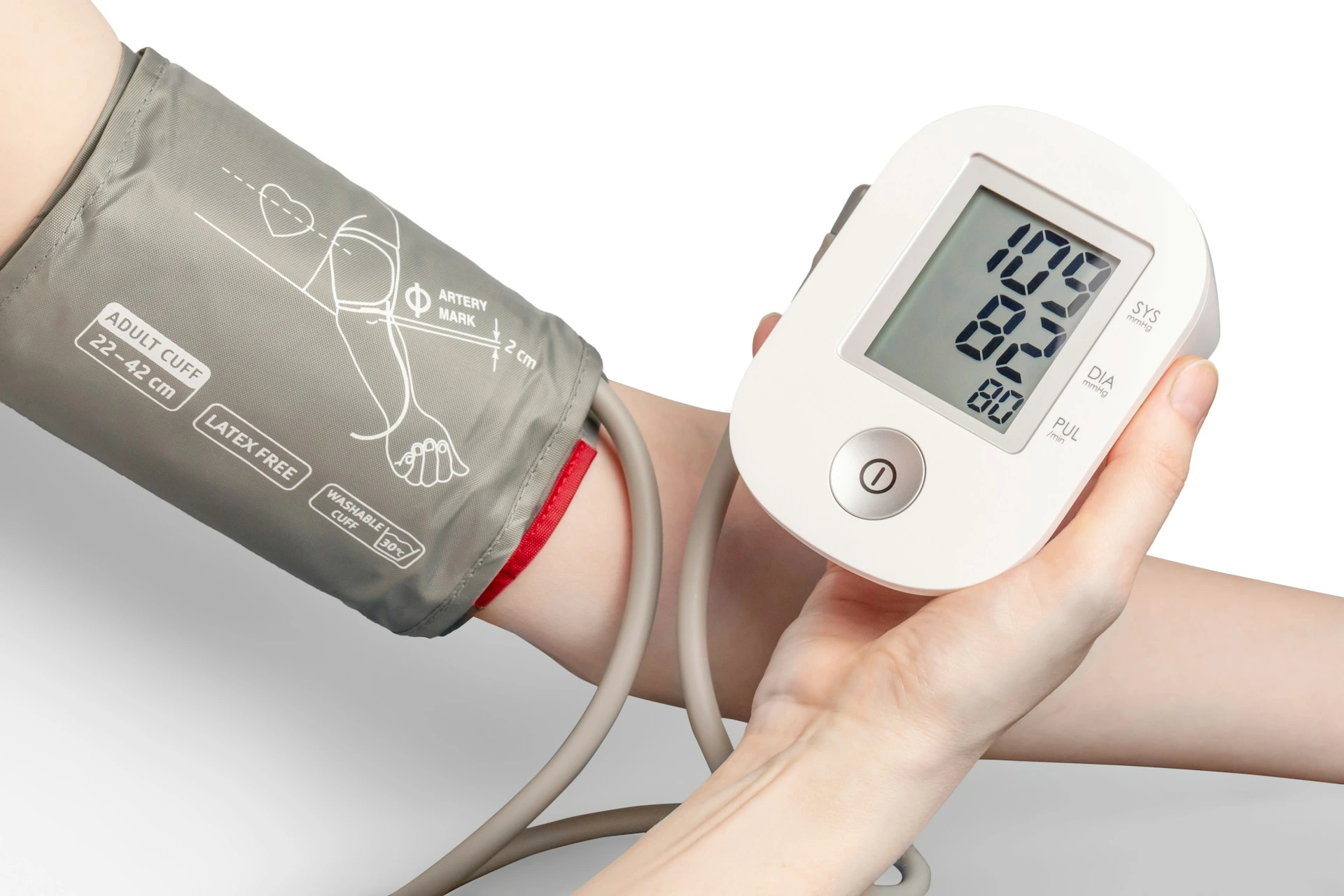
Blood pressure is measured by two numbers: systolic pressure (the force of blood flow when the heart pumps blood out) and diastolic pressure (the force of blood flow between heartbeats when the heart is filling with blood).1
Blood Pressure Categories or Levels
- Normal = Less than 120 systolic pressure AND Less than 80 diastolic pressure
- Elevated = 120 to 129 systolic pressure AND Less than 80 diastolic pressure
- High Blood Pressure Stage 1 = 130 to 139 systolic pressure OR 80 to 89 diastolic pressure
- High Blood Pressure Stage 2 = 140 or higher systolic pressure OR 90 or higher diastolic pressure
- Hypertensive Crisis = Higher than 180 systolic pressure OR Higher than 120 diastolic pressure (Contact your provider immediately.)
A hypertensive crisis occurs when blood pressure rises quickly and sharply, with at least two readings above 180/120 mm Hg, which can cause organ damage if not treated. Some consequences of repeated spikes include stroke, loss of consciousness, memory loss, heart attack, damage to eyes and kidneys, chest pain, and fluid backup in the lungs.1,3 Not all spikes reach this level; a spike can be an increase of 5 points.
Causes of spikes can vary, but anxiety and stress can cause a surge of hormones that raise blood pressure. Sometimes, the stress of being in a doctor’s office can raise blood pressure in 15-30% of people. Dehydration, excess coffee, or excessive caffeine intake can trigger adrenaline and stress. Needing to go to the bathroom or severe or sudden pain can elevate stress and blood pressure levels, too. When someone has elevated blood pressure and encounters these additional stressors, their blood pressure may rise further, resulting in a spike.4
Blood pressure also rises during exercise. Systolic pressure can increase by 20 to 60 mm Hg in healthy adults, while diastolic pressure stays the same or drops slightly. After exercise, blood pressure falls slightly below pre-exercise levels for a few hours. Some types of exercise (high-intensity or resistance training) can cause short-term BP spikes that return to normal quickly.5
Regular exercise improves resting blood pressure, blood pressure recovery, and blood pressure variability over time, indicating improved cardiovascular adaptability.5 Additionally, greater systolic blood pressure variability during exercise may predict a higher risk of developing hypertension over the next 6 years.6 Allowing your body to adapt slowly to increased physical activity can help achieve better heart health over time.
How Diet Influences Blood Pressure Patterns
.jpeg)
Diet is another factor that influences blood pressure patterns. What we eat and drink provides hydration, fiber, vitamins, minerals, and energy, all of which contribute to blood pressure patterns.
Most often, dietary patterns as a whole are studied rather than individual foods or components because that reflects how we eat! Researchers developed the DASH (Dietary Approaches to Stop Hypertension) Eating plan over 20 years ago with support from the National Heart, Lung, and Blood Institute (NHLBI), part of the National Institutes of Health (NIH), to reduce high blood pressure and LDL cholesterol.7
Compared to a standard diet, people who follow the DASH plan and lower their sodium intake to less than 2,300 mg can lower their blood pressure within weeks. No foods are off-limits on the DASH diet, but focus on foods rich in potassium, calcium, magnesium, fiber, and protein, while limiting or avoiding sugar, unhealthy fats, and alcohol.7
DASH is a well-researched and highly recommended eating style due to its robust benefits. A 2023 systematic review of more than 115,000 participants found that greater adherence to the DASH eating plan was associated with a 19% lower risk of developing high blood pressure than the lowest level of adherence.2 Research shows that reduced systolic blood pressure of 7 to 11 mm Hg is noted within weeks of following the DASH diet.8
The nutrient-rich DASH diet is associated with improved vascular relaxation and better sodium balance. Additionally, potassium-rich foods replace sodium-rich processed foods and help regulate blood pressure.9,10
Sodium and Blood Pressure: More Than Just Salt Shakers
.jpeg)
Many people associate their sodium intake with blood pressure, and sodium does affect fluid balance and blood pressure. But, it is actually both sodium and potassium (electrolytes) that help you maintain optimal fluid and blood volume. Consuming too much sodium and too little potassium can raise blood pressure.11
When you eat sodium (especially more than needed), it attracts water into the bloodstream, which tends to raise blood pressure. Your body tries to compensate by excreting excess sodium through your urine by way of the kidneys, but sometimes the kidneys can’t keep up, or you are just consuming way too much sodium.11
So, where is all the sodium coming from? Sodium is found in salt, made of sodium and chloride. When you add salt to foods, your sodium intake increases. One teaspoon of salt provides 2,400 mg of sodium. Foods naturally contain sodium, but that accounts for only about 25% of total sodium intake. The daily recommendation is less than 2,300 mg of sodium.11
Most excess sodium is found in packaged and prepared foods such as canned soups, frozen or shelf-stable dinners, and lunch foods. More than 70% of the sodium we consume comes from packaged, restaurant, and fast-food foods.12
Cutting down on ultra-processed foods and foods away from home can help reduce sodium intake and, by default, increase potassium intake by adding more natural potassium-rich foods like vegetables, fruits, and dairy. Research has shown that the sodium-to-potassium intake ratio is a greater risk factor for high blood pressure than sodium alone.13
Potassium-Rich Foods
.jpeg)
When you cut back on ultra-processed foods and focus on whole foods and home-cooked meals, most people naturally increase fruit and vegetable intake, which helps reduce sodium and increase beneficial potassium, achieving an optimal ratio of 1 part sodium to 3 parts potassium. Most adults consume 40% sodium than potassium!13
The DASH eating plan prioritizes potassium-rich foods and aims for 4,700 mg of potassium daily.14
Here are some potassium-rich foods to prioritize:
- Vegetables: potato with skin, beet greens, tomato puree, sweet potato with skin, cooked Swiss chard, cooked yam, acorn squash, and cooked spinach (range of 419 to 942 mg potassium)
- Fruits: banana, dried peaches or apricots, prunes, and avocado (range of 364 to 422 mg potassium)
- Dairy: nonfat plain yogurt (579 mg potassium) or nonfat skim milk (382 mg potassium)
- Nuts, Seeds, and Legumes: canned white beans, soybeans, lima beans, pinto beans, lentils, and kidney beans (range of 357 to 595 mg of potassium)
- Meat, Fish, and Poultry: salmon, halibut, tuna, snapper, or rockfish (397-534 mg of potassium)
Keep in mind that the DASH eating pattern recommends potassium-rich foods (not supplements), as some people should avoid potassium supplements due to medication interactions. Consult your doctor before taking potassium supplements.14
Foods That May Contribute to Blood Pressure Spikes
Processed foods and the absence of foods like those listed earlier in the DASH diet can increase blood pressure. It’s not necessarily that a serving of processed food alone causes the risk; it's when they make up a majority of your intake and are not balanced with a nutrient-rich diet.
Ultra-processed foods are mostly ready-to-eat or ready-to-heat foods with high levels of added sodium, fats, and sugars, but contain minimal fiber or micronutrients.
A large systematic review of over 8 million adults worldwide found that each additional 100 grams per day (about ½ cup) of ultra-processed foods was associated with a 14.5% higher risk of hypertension and a 6% higher risk of cardiovascular events.15
Ultra-processed foods contain more sodium but are often stripped of other beneficial nutrients, leaving them with simple carbohydrates and added sugars that lead to rapid rises in blood glucose and insulin spikes. Repeated stress from these spikes can contribute to insulin resistance and inflammation, thereby negatively impacting vascular function and blood pressure regulation.
The Glucose–Blood Pressure Connection
.png)
Blood pressure spikes are essential to monitor, but so are glucose swings. High blood sugar variability is a metabolic stressor that contributes to low-grade, chronic inflammation. Research has shown that more oxidative (or inflammatory) molecules are produced in and around the blood vessel walls with increased glycemic variability, leading to a stressed vascular system and plaque build-up.16,17
Insulin resistance and uncontrolled glucose levels occur concurrently and negatively affect heart health. With insulin resistance, the body’s cells no longer respond appropriately to insulin, making the pancreas make more insulin and/or leaving glucose elevated in the bloodstream.18
Continued high blood sugar and elevated insulin levels don’t, by themselves, predict poor heart health or blood pressure issues; they can, over time, place added strain on blood vessels, especially when blood pressure is already elevated.
Prioritizing metabolic health will also benefit heart health, as they are interconnected. Let’s dive deeper to investigate how the DASH Diet helps with both!
Dietary Patterns for Hypertension: DASH Diet Principles
The DASH Diet is the recommended eating pattern for hypertension. Still, it is also ranked among the best diets for managing diabetes, high cholesterol, gut health, inflammation, arthritis, brain health and cognition, mental health, and menopause.
The DASH diet focuses on specific food groups as a framework. For example, here are the daily and weekly servings for someone eating a 1,800 to 2,000 calorie diet:19
- Grains (mostly whole grain) = 6-8 servings per day
- Lean meats, poultry, fish = 6 or less servings per day
- Vegetables = 4-5 servings per day
- Fruits = 4-5 servings per day
- Dairy (fat-free/low-fat) = 2-3 servings per day
- Fats and oils = 2-3 servings per day
- Nuts, seeds, legumes = 2-3 servings per day
- Sweets and Added Sugars = 5 servings or less per week
Additionally, limiting sodium to 1,500 mg daily, even below the 2,300 mg recommendation, lowers blood pressure.19
The DASH diet focuses on whole foods rich in minerals such as potassium, magnesium, and calcium, as well as fiber and protein, while limiting or avoiding added sugar, ultra-processed foods, unhealthy fats, and alcohol.7
This type of eating helps reduce inflammation, supports vascular relaxation and better sodium balance, and helps regulate blood pressure and glucose levels. The high intake of plant-based foods rich in micronutrients helps optimize your overall health.9,10 An added benefit is that everyone in your household can follow and benefit from the DASH diet, simplifying your meal preparation!
Who May Be More Sensitive to BP Spikes
.jpeg)
Some individuals are more sensitive to blood pressure spikes and high-sodium diets. If this is you, the good news is that you will likely see improvements quickly by following a DASH diet. On the other hand, when you don’t follow a healthy eating pattern, you may see spikes.
About 25% of healthy adults and at least half of people with high blood pressure are salt-sensitive, meaning they have a strong response (a rise of at least 5 points) to a high-sodium diet.20 Monitoring your individual response to sodium will help you know what foods to avoid and choose.
Other individuals who may be sensitive include people with insulin resistance or metabolic syndrome, and those experiencing high stress and/or poor sleep. These factors all can worsen blood pressure regulation.
Prioritizing a healthy lifestyle that includes balanced meals, stress management techniques, good sleep hygiene, and regular physical activity can help you reduce factors that can worsen your metabolic or heart health.
Practical Takeaways: Building a Steadier BP-Friendly Pattern
It can be overwhelming to make a whole diet overhaul at once. Focusing on adding before subtracting can help ease the transition. You can make changes or pair them with foods you already consume.
- Focus on adding blood-pressure-friendly foods from the DASH Diet food groups.
- Try adding the foods you are most excited about first (e.g., fruit or fish).
- Pair sodium-rich foods with high-potassium foods to improve balance.
- Balance meals with protein (lean meats, fish, poultry, nuts, dairy) + fiber (whole grains, fruit, vegetables, nuts, and beans) + healthy fats (avocado, nuts, olive oil).
- Reduce reliance on ultra-processed foods over time.
- Swap ultra-processed foods for less-processed, balanced, pre-made foods (companies are now offering freezer- and shelf-stable meals with lower sodium and more whole foods, or whole-food meal kits for purchase).
- Lean into prepared fruits and vegetables that are washed and cut for use if your budget allows.
- Emphasize flexibility and sustainability to achieve long-term dietary changes.
Try some of these changes and see how your blood pressure and overall health improve.
The Bottom Line: Diet and Blood Pressure Awareness
.jpeg)
Blood pressure is shaped by long-term eating and lifestyle habits, not a single meal or food choice. Focus on overall patterns rather than perfection.
Prioritizing the DASH Diet or an eating style that emphasizes potassium, fiber, and lean protein while gradually reducing added salt, ultra-processed foods, and sugar can help stabilize blood pressure, limit spikes, and sustainably support long-term cardiovascular and metabolic health.
Learn More With Signos’ Expert Advice
Signos offers science-backed tools to support overall wellness, helping you understand how patterns influence your heart and metabolic health. A CGM can help you monitor blood sugar patterns and improve your overall health.
Learn more about glucose levels and tracking on the Signos blog, written by health and nutrition experts.
FAQs
1. Can diet alone manage high blood pressure?
Diet plays a significant role in blood pressure control but is also influenced by other factors, including genetics, stress, sleep, and physical activity. Diet is one piece of the puzzle.
2. How does sodium intake affect blood pressure variability?
High sodium intake (from ultra-processed foods) can increase fluid retention, cause vascular stress, and raise blood pressure more in some individuals. Additionally, a lack of potassium-rich foods can alter the optimal balance to regulate blood pressure.
3. Are certain eating patterns better for hypertension awareness?
Yes, eating patterns such as the DASH diet, which emphasize potassium-rich plants, fiber, and less processed foods, are commonly associated with steadier blood pressure.
4. Can blood sugar levels influence blood pressure?
Yes, glucose regulation, insulin sensitivity, and vascular health work together. Poor metabolic health can exhibit as irregular blood sugar patterns and poorly controlled BP. Blood sugar swings can stress the vascular system and temporarily raise blood pressure, leading to long-term cardiovascular damage when chronically unregulated.
Topics discussed in this article:
References
- https://www.nhlbi.nih.gov/health/high-blood-pressure
- https://pmc.ncbi.nlm.nih.gov/articles/PMC10383418/
- https://www.heart.org/en/health-topics/high-blood-pressure/understanding-blood-pressure-readings/when-to-call-911-for-high-blood-pressure
- https://www.ncbi.nlm.nih.gov/books/NBK83269/#ch6.s5
- https://pubmed.ncbi.nlm.nih.gov/29739647/
- https://pubmed.ncbi.nlm.nih.gov/27292824/
- https://www.nhlbi.nih.gov/news/2025/nih-supported-dash-diet-named-best-heart-healthy-diet-and-best-diet-high-blood-pressure
- https://pubmed.ncbi.nlm.nih.gov/11136953/
- https://pubmed.ncbi.nlm.nih.gov/35285859/
- https://nutritionsource.hsph.harvard.edu/healthy-weight/diet-reviews/dash-diet/
- https://www.cdc.gov/salt/sodium-potassium-health/index.html
- https://www.heart.org/en/healthy-living/healthy-eating/eat-smart/sodium/sodium-sources
- https://pmc.ncbi.nlm.nih.gov/articles/PMC9237821/
- https://www.nhlbi.nih.gov/sites/default/files/publications/WES09-DASH-Potassium.pdf
- https://www.acc.org/About-ACC/Press-Releases/2025/05/08/14/10/Eating-Ultra-Processed-Foods-May-Harm-Your-Health
- https://pubmed.ncbi.nlm.nih.gov/25314300/
- https://pubmed.ncbi.nlm.nih.gov/19402896/
- https://pubmed.ncbi.nlm.nih.gov/34173799/
- https://www.nhlbi.nih.gov/education/dash-eating-plan
- https://pmc.ncbi.nlm.nih.gov/articles/PMC10640704/

.svg)