


Key Takeaways
- Difficulty falling asleep is common and often tied to habits, stress levels, and your sleep environment rather than a single cause.
- Consistent routines, calming bedtime practices, and supportive lifestyle choices can help improve how quickly you fall asleep and the quality of your rest.
- Continued sleep issues may signal an underlying sleep or health issue and are worth discussing with a healthcare professional.
that {{mid-cta}}
If you’ve counted way past 100 sheep, flipped your pillow for the cooler side, and spent far too long staring at the ceiling, you’re not alone. An estimated 14.5% of Americans also struggle to fall asleep.1
Having difficulty falling asleep is incredibly common, but it can be more than just a nightly inconvenience. Over time, poor sleep can lead to daytime fatigue, trouble concentrating, and dips in productivity. When sleepless nights become a continuous issue, it can also be linked to more serious health concerns, including high blood pressure, heart disease, and depression.
Trouble sleeping can stem from many different factors, and there’s rarely just one cause. To give yourself the best chance of sleeping better and waking feeling restored, it helps to understand what may be keeping you awake and which strategies are most effective for supporting deeper, more restorative sleep.
Common Reasons People Struggle to Fall Asleep
Struggling to fall asleep can happen for many reasons, including health conditions, eating habits, and how you’re feeling mentally or emotionally.
Stress and anxiety
When you’re worried about deadlines, social obligations, bills, and everything else competing for your attention, that stress doesn’t always turn off when you’re ready to. It can linger well into the night, right when your body should be winding down.
Under stress or anxiety, your body stays in fight-or-flight mode. Stress hormones like cortisol rise, keeping your nervous system switched on even when it should be powering off for the day. Muscles stay tense, your heart rate may run higher than usual, and breathing can become shallow, all signals to the body that it isn’t safe to fully relax yet.
When your worries and anxieties aren't properly managed, this alert state can become your default, causing sleep problems that keep you up, wake you in the middle of the night, and carry into the next day.
Irregular sleep schedule or circadian rhythm disruptions
Just like the time hitting 10 p.m. tells you to get ready for bed, your body has its own internal clock, called the circadian rhythm, that tells it when to wake up, eat, and go to sleep. This internal rhythm plays a big role in regulating when you feel alert or sleepy, and it’s largely guided by external cues like daylight and darkness.
When that rhythm gets disrupted from late nights, very early mornings, travel, or an inconsistent sleep environment, your body can start to lose its sense of timing. You may find yourself wide awake at night and dragging through the next day.
Over time, these irregular sleep patterns can make it harder for your body to recognize and respond to its usual cues for rest, turning falling asleep into something that feels forced rather than natural.

Excess screen time and blue light exposure
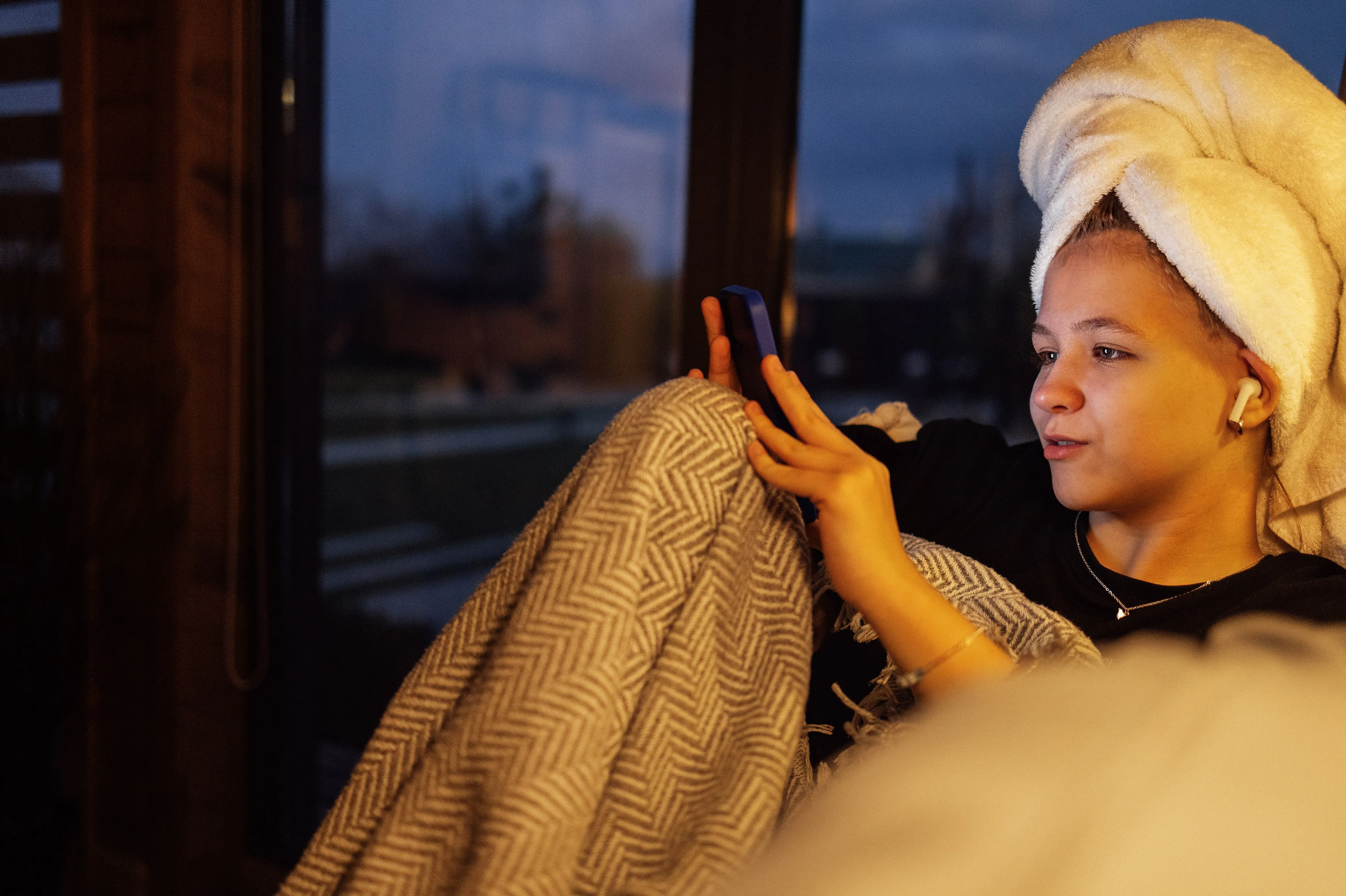
After a long day, the urge to catch up on social media or unwind with a show can be strong, especially when you’re closing off for the night. But when screens become part of your regular bedtime routine, they can interfere with sleep.
Phones, tablets, TVs, and other devices produce bright lights that can suppress melatonin, the hormone that tells your body it’s time to head to bed. At the same time, scrolling, streaming, or responding to messages keeps your brain mentally engaged, even when you’re physically exhausted.
When screen use stretches late into the evening, your body may struggle to recognize that bedtime has arrived. Over time, regularly spending the last moments of the day on screens can make it harder to fall asleep.
Caffeine, alcohol, or heavy meals before bed
What you eat and when you eat can make the difference between a restful night and waking up intermittently, hoping sleep returns quickly. An evening glass of wine, for example, can feel relaxing at first, but if you drink alcohol too close to bedtime can disrupt sleep later in the night, leading to frequent wake-ups.
Caffeine can be just as sneaky. Even if you finish your coffee hours before bed, it can linger in your system and keep your brain alert long after you’ve set the mug down.
Heavy meals late at night can also work against restful sleep. Eating large meals close to bedtime signals to your digestive system, and the rest of your body, that it’s time to stay active, when it should be winding down. Together, these habits can make falling and staying asleep much harder.
Environmental factors: noise, light, temperature
Another common culprit behind poor sleep is your environment at bedtime. Continuous noise, blue light exposure, bright or lingering light, plus a room that’s too warm or too cold, can make it harder for your body to relax and fall asleep.
Sleep Hygiene: The Foundation of Falling Asleep Faster
Getting your body to truly settle into 7–8 hours of restful sleep isn’t about one magic trick; it’s about the small, everyday habits that support good sleep, often referred to as sleep hygiene.
One of the most powerful habits is maintaining consistent sleep and wake times. Going to bed and waking up at roughly the same time each day helps regulate your internal clock, making it easier to fall asleep at night and feel more refreshed in the morning.
Your sleep environment matters just as much. You’re more likely to drift off and stay asleep in a bedroom that’s dark, cool, and quiet, with a comfortable mattress and pillows that support your body. In the hour or two before bed, it also helps to start winding things down. Skip intense exercise or stimulating activities, and minimize smartphone and other screen time so your body responds to the signal that it’s time to rest.
Relaxation Techniques to Prepare for Sleep
For many people, the hardest part of falling asleep is getting the mind and body to actually slow down.
Relaxation techniques can help send a gentle signal that it’s safe to rest. Simple practices like deep-breathing exercises can calm the nervous system, while progressive muscle relaxation can help release tension you might not even realize you’re holding.
If your thoughts tend to race at night, meditation or mindfulness exercises can help quiet the mental noise. Some people also find that journaling before bed is a helpful way to offload worries and lingering thoughts, rather than carrying them into sleep. If your body feels restless, light stretching or gentle yoga can help ease you into a more relaxed state, so you can fall asleep faster.
Lifestyle Changes That Support Sleep
If you’re looking to improve your sleep quality at night, it can help to take a closer look at your daily habits and whether they truly support winding down at bedtime. Cutting back on caffeine or nicotine, especially later in the day, can help your body relax, since both keep the nervous system stimulated. Limiting alcohol close to bedtime can help as well, as it often disrupts sleep even if it initially makes you feel drowsy.
Finding healthier ways to manage stress, such as simple end-of-day decompression rituals, can also support more restorative sleep. Regular physical activity also plays a role, especially when it happens earlier in the day, helping your body build a natural drive for rest by nightfall.
Natural Sleep Aids and Supplements
Short-term changes like jet lag or the occasional shift work can throw off your sleep patterns, even when your usual sleep habits provide the rest you need. In these cases, natural sleep aids can help your body find its rhythm again.
Melatonin, the hormone that helps regulate sleep timing, can be taken in the evening to encourage your body to slip into rest. Magnesium is also commonly used because it helps relax muscles and calm the nervous system, making it easier to wind down at night. Both supplements are available over the counter.
Simple rituals can help too. Herbal teas like chamomile or valerian root can become a soothing part of your bedtime routine, while aromatherapy with scents like lavender or sandalwood can create a calmer sleep environment by engaging the senses and promoting a relaxed environment.7 Because supplements can have real effects, it’s important to consider proper timing and dosage with a healthcare professional to get the best results safely.
Technology and Tools That Can Help
Screens may not be ideal right before bed, but other forms of technology can support better sleep and help you understand which habits work for you.
Sleep-tracking apps or devices can provide insight into how long you sleep, how often you wake at night, and whether you’re reaching deeper stages of rest. If noise is an issue, white noise machines or fans can mask background sounds and create a more calming environment.
Smart lighting can also support your circadian rhythm by dimming in the evening and gradually brightening in the morning, helping your body ease into more natural sleep and wake patterns. And if a racing mind keeps you up, guided meditation apps can provide gentle prompts to help you relax and drift off.
When to Seek Professional Help
It's okay to have a bad night now and then, but if sleep problems persist or affect daily life, it may be time to seek expert support. Persistent insomnia that lasts more than a few weeks, continuous daytime fatigue, or trouble concentrating can signal more than a rough sleep patch.
It’s especially important to speak with a healthcare provider if you suspect you may be dealing with a sleep disorder, such as sleep apnea, chronic insomnia, restless leg syndrome, or narcolepsy. These conditions often require targeted treatment and typically do not resolve on their own. Likewise, ongoing mental health conditions like anxiety or depression can strongly affect sleep and may need to be addressed by an expert using treatments like cognitive behavioral therapy (CBT).
Common Mistakes That Make Falling Asleep Harder
Without realizing it, small bedtime habits can quietly set you up for a long night. When you lie in bed for long stretches, your brain can start to associate the bed with thinking and restlessness instead of sleep. Add in scrolling on your phone or using other devices, and that mental alertness can last even longer, making it harder to fully switch off.
Physical discomfort can play a role, too. Going to bed either too hungry or uncomfortably full can keep your body on edge, while late-afternoon or evening naps can reduce the natural sleepiness you need at night. Over time, these patterns can add up, making restful nights harder to come by.
The Bottom Line
If you’re struggling to sleep, the pea under your mattress is often hiding in plain sight. Your daily habits, stress levels, and the environment you’ve created around bedtime can affect how well you sleep.
Small, consistent changes to how you wind down, maintain a regular sleep schedule, and create a calming space can make a real difference in how quickly and well you rest. But if sleep still feels out of reach despite these changes, professional support can help you move toward more restorative nights.
Learn More With Signos’ Expert Advice
If you’re focused on improving your overall well-being, Signos helps you see how everyday choices, like what you eat and how you move, sleep, or manage stress, affect your health.
With research-backed insights, the Signos blog empowers you to make informed decisions that support steady energy, metabolic balance, and long-term well-being.
Topics discussed in this article:
References
- Adjaye-Gbewonyo, D., Ng, A. E., & Black, L. I. (2022). Sleep difficulties in adults: United States, 2020 (NCHS Data Brief No. 436). Hyattsville, MD: National Center for Health Statistics. https://dx.doi.org/10.15620/cdc:117490
- National Heart, Lung, and Blood Institute. (2022, March 24). Sleep deprivation and deficiency. U.S. Department of Health and Human Services. https://www.nhlbi.nih.gov/health/sleep-deprivation
- Morin C. M. (2022). Why do some people develop insomnia in response to stressful life events and others do not?. Sleep, 45(11), zsac207. https://doi.org/10.1093/sleep/zsac207
- Arshad, D., Joyia, U. M., Fatima, S., Khalid, N., Rishi, A. I., Rahim, N. U. A., Bukhari, S. F., Shairwani, G. K., & Salmaan, A. (2021). The adverse impact of excessive smartphone screen-time on sleep quality among young adults: A prospective cohort. Sleep science (Sao Paulo, Brazil), 14(4), 337–341. https://doi.org/10.5935/1984-0063.20200114
- He, S., Hasler, B. P., & Chakravorty, S. (2019). Alcohol and sleep-related problems. Current opinion in psychology, 30, 117–122. https://doi.org/10.1016/j.copsyc.2019.03.007
- Gardiner, C., Weakley, J., Burke, L. M., Roach, G. D., Sargent, C., Maniar, N., Townshend, A., & Halson, S. L. (2023). The effect of caffeine on subsequent sleep: A systematic review and meta-analysis. Sleep medicine reviews, 69, 101764. https://doi.org/10.1016/j.smrv.2023.101764
- Hausenblas, H. A., Lynch, T., Hooper, S., Shrestha, A., Rosendale, D., & Gu, J. (2024). Magnesium-L-threonate improves sleep quality and daytime functioning in adults with self-reported sleep problems: A randomized controlled trial. Sleep medicine: X, 8, 100121. https://doi.org/10.1016/j.sleepx.2024.100121
- Guadagna, S., Barattini, D. F., Rosu, S., & Ferini-Strambi, L. (2020). Plant Extracts for Sleep Disturbances: A Systematic Review. Evidence-based complementary and alternative medicine : eCAM, 2020, 3792390. https://doi.org/10.1155/2020/3792390

.svg)





.webp)
.jpg)
.webp)