
.jpg)
Key Takeaways
- Adrenal cocktails can support hydration and electrolyte balance, but they do not directly treat adrenal fatigue or reset hormones.
- Their benefits come from vitamin C, potassium, sodium, and fluids, not from boosting adrenal glands or lowering cortisol.
- For many people, smarter hydration strategies and whole food nutrition support adrenal health just as well.
that {{mid-cta}}
Adrenal Cocktails: Do They Actually Support Hormones?
Many wellness-focused social media accounts have recently promoted adrenal cocktail recipes that promise higher energy, lower cortisol, and relief from chronic stress. These trending mocktails are marketed as a natural and delicious way to support adrenal function, stabilize blood sugar, and improve overall well-being.
Many people feel tired, stressed, or stuck in a cycle of cravings and weight gain, so it’s tempting to believe a simple drink could correct hormonal imbalances. But do adrenal cocktails actually support adrenal health, or are they just another wellness trend?
What’s in an Adrenal Cocktail?
.jpeg)
Most adrenal cocktails contain a combination of fluids, electrolytes, and micronutrients. While recipes vary, common ingredients include:
- Orange juice or lemon juice for vitamin C
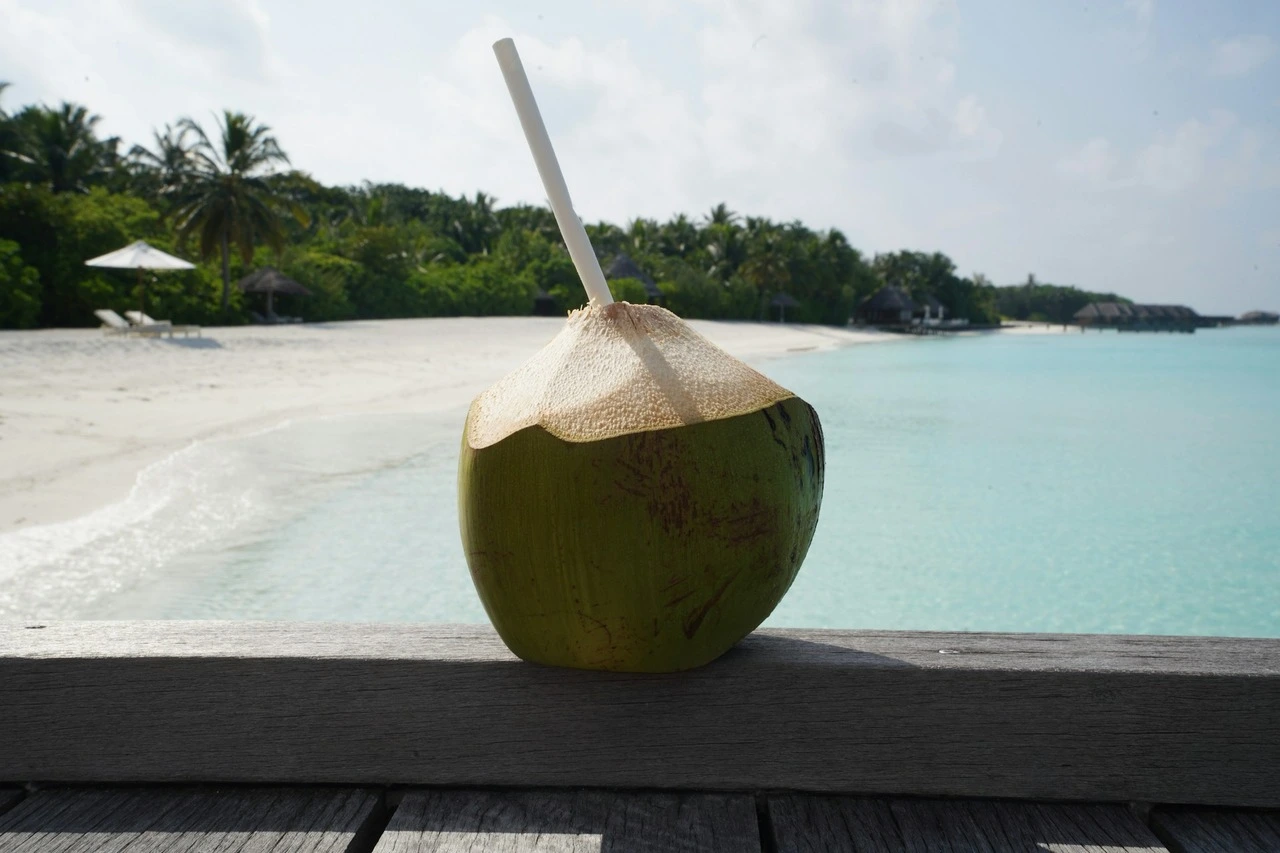
- Coconut water for potassium levels and hydration
- Sea salt or cream of tartar as a sodium or potassium source
- Collagen powder for added protein
From a nutrition standpoint, these ingredients can regulate electrolyte balance, blood pressure, heart rate, and nerve signaling. Vitamin C supports immune system function and is involved in adrenal hormone production.1 They also help with hydration, which can improve energy levels and blood sugar.
What’s missing, though, is any ingredient that directly significantly impacts cortisol production, aldosterone, or the adrenal glands themselves.
Electrolytes vs. Hormone Claims
The adrenal glands produce vital hormones like cortisol and aldosterone, which regulate the body’s stress response. During chronic stress, cortisol levels may be higher (or lower) than normal, leading people to suspect “adrenal fatigue.”
It’s important to clarify that adrenal fatigue is not a recognized medical diagnosis. Endocrinologists generally agree that true adrenal dysfunction is rare and typically linked to diagnosed health conditions like Addison’s disease or Cushing’s syndrome.2 That said, feeling depleted under chronic stress is very real, and hydration status plays a role in how the body copes.
Adrenal cocktails may be best thought of as electrolyte drinks. Sodium supports fluid balance, potassium helps regulate heart rate and muscle contraction, and Vitamin C can replenish adrenal reserves (especially during times of stress).1
When someone is dehydrated, adding electrolytes can certainly improve their energy levels. However, this doesn’t mean these drinks fix hormonal imbalances. They simply help meet basic body needs.
Smarter Hydration Strategies
.jpeg)
For many people, the biggest benefit of an adrenal cocktail is improved hydration. Mild dehydration can raise heart rate, worsen fatigue, increase cravings, and make stress feel harder to manage.
Instead of relying on a single trendy recipe, try some smarter hydration strategies:
- Drinking fluids consistently throughout the day
- Adding electrolytes during intense exercise, heat exposure, or illness
- Pairing fluids with meals to support blood sugar stability
- Using whole food sources of potassium, magnesium, and sodium
Foods like citrus, dairy, leafy greens, avocado, seafood, and broth-based soups naturally support electrolyte balance without spiking blood sugar.
Hydration and Glucose
One overlooked aspect of adrenal cocktails is their impact on blood sugar. Many popular recipes rely on orange juice or coconut water as the base. While these ingredients provide potassium and vitamin C, they also contain concentrated natural sugars that can raise glucose levels quickly, especially when consumed on an empty stomach.
For individuals focused on weight management or weight loss, the grams of sugar in these mocktails matter. Liquids digest rapidly, and without sufficient fiber, fat, or protein to slow absorption, they can produce a sharp glucose rise. That rapid increase is often followed by a drop, which may trigger cravings, amplify the body’s stress response, and lead to mid-morning fatigue or irritability. Over time, repeated spikes and dips can increase glucose variability, which has been associated with metabolic dysfunction and elevated cardiovascular risk.
Adding collagen powder, a pinch of sea salt, or pairing the drink with a protein-rich meal may help blunt the spike, but the effect is highly individual. What stabilizes one person’s glucose may still produce a noticeable rise in someone else. This is where personalized data becomes essential.
Using a CGM through the Signos app allows you to see exactly how your body responds to an adrenal cocktail in real time. Instead of guessing whether the drink is “supportive,” you can:
- Observe your glucose curve on the CGM graph and see whether the drink keeps you in the optimal purple zone or pushes you into a sharp yellow or pink climb.
- Review Weekly Insights reports to identify patterns: do juice-based drinks correlate with higher variability or afternoon cravings?
- Run a simple Signos experiment: compare a traditional adrenal cocktail (orange juice + coconut water) with a modified version (lower-sugar citrus, added protein, or paired with a meal) and assess the difference in glucose response.
- Track how the drink affects your energy, hunger, and LST score, connecting subjective feelings with objective data.
This kind of feedback turns adrenal cocktails from a wellness trend into a measurable variable. You may discover that a small portion works well when paired with breakfast, or that swapping to a lower-sugar base significantly reduces variability. Instead of eliminating foods or drinks outright, Signos helps you personalize hydration strategies so they support metabolic stability, not undermine it.
Ultimately, the goal isn’t to avoid fruit juice at all costs. It’s to understand how your body handles it and make informed adjustments. With continuous feedback, you can determine whether your adrenal cocktail is truly replenishing, or quietly contributing to the very stress it’s meant to relieve.
When an Adrenal Cocktail May Help
.jpeg)
An adrenal cocktail may be useful when:
- Hydration is consistently low
- Electrolyte intake is inadequate
- Stress is high, and appetite is suppressed
- Illness, heat, or heavy exercise increases fluid needs
In these cases, the drink functions as a flavored electrolyte beverage, but not a hormone treatment.
When It’s Unnecessary
An adrenal cocktail may be unnecessary when:
- Meals already provide adequate electrolytes
- Blood sugar is sensitive to juice-based drinks
- Fatigue is caused by sleep deprivation, chronic stress, or health conditions
Relying on a drink to solve systemic stress often distracts from more impactful changes, like sleep quality, stress management, and balanced nutrition.
The Bottom Line
Adrenal cocktails aren’t harmful for most people, but they’re often oversold. Their health benefits come from hydration, vitamin C, and electrolyte balance, not from repairing adrenal glands or meaningfully correcting cortisol levels.
Supporting adrenal health isn’t about a single mocktail recipe; it’s about consistent habits that support the endocrine system as a whole. When stress feels unmanageable or symptoms persist, working with a healthcare provider or endocrinologist can help rule out true hormonal conditions and guide appropriate care.
Learn More With Signos’ Expert Advice
Understanding how hydration, nutrition, and daily habits affect glucose and overall health can help clarify which wellness trends are helpful and which are just noise. Signos combines cutting-edge research with the proven benefits of continuous glucose monitoring to help you achieve your health goals. Check out more articles on the Signos blog.
Topics discussed in this article:
References
- Padayatty SJ, Levine M. Vitamin C: the known and the unknown and Goldilocks. Oral Dis. 2016;22(6):463–493. doi:10.1111/odi.12446
- Nieman LK. Approach to the patient with adrenal incidentalomas. J Clin Endocrinol Metab. 2019;104(11):4961–4974. doi:10.1210/jc.2019-00108
- Monnier L, Colette C. Glycemic variability: should we and can we prevent it? Diabetes Care. 2008;31(Suppl 2):S150–S154. doi:10.2337/dc08-s241

.svg)